ABCI

Invest in Iraq

Understand the market context, define your assessment and select the relevant service.

Research version 1.1Updated: 30 September 2026

Iraq: A Market in Transition

Iraq combines a large domestic market, a young population, major natural resources and significant unmet demand across infrastructure, services and productive sectors.

For investors, this creates opportunities — but also requires detailed understanding of the market, regulatory environment, partners, financing and execution risks.

ABCI approaches Iraq through investment intelligence rather than promotion.

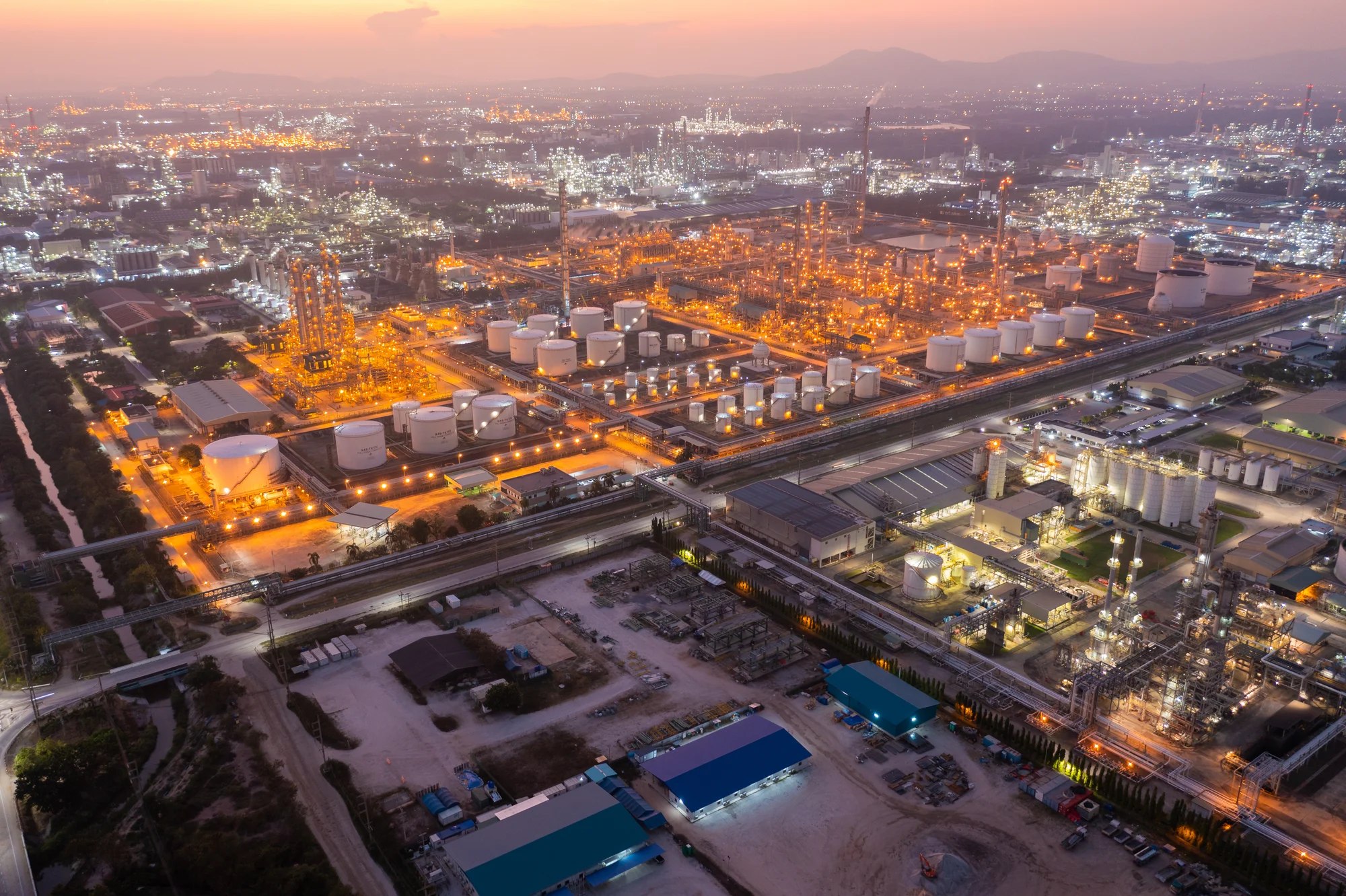
Aerial view of an industrial complex at dusk; illustrative industry image
Industry & infrastructure — illustrative image, not a named Iraqi facility.

SECTORS TO WATCH

These are monitoring briefs. Government and public-sector transformation is an institutional work area; the other entries cover commercial sectors. Sector-specific demand and feasibility require a separate study.

01

Technology & Digital Transformation

Separate business software, digital services and infrastructure from AI applications. Each has a different customer, operating model and evidence requirement. This brief identifies questions for an assessment, rather than a completed Iraqi market-size study.

02

Energy

Assess generation, networks and energy services separately. An announced capacity target is a policy signal; it does not establish a funded project, procurement opportunity or guaranteed demand for a specific supplier.

03

Infrastructure

Define the asset or service before assessing an infrastructure opportunity: a transport facility, utility, logistics service or urban asset has different users, costs and operating obligations.

04

Healthcare

Distinguish facilities, clinical services, diagnostics, products and health technology. Commercial assessment must be coordinated with clinical, technical and regulatory specialists for the proposed activity.

05

Education & Human Capital

Separate schools, higher education, professional training and learning technology. Learners, buyers, accreditation questions and operating economics differ across these models.

06

Industry & Local Production

Begin with a specific product and value chain. Local production should be assessed against delivered cost, quality, reliable inputs and customers rather than assuming that import substitution is commercially viable.

07

Financial Services

Define the intended financial activity, customer and delivery partner before discussing an entry model. Activity-specific regulatory assessment must be performed with qualified specialists; this brief does not assert permission to conduct a financial activity.

08

Real Estate & Urban Development

Define the use and location: residential, commercial, industrial or mixed-use property needs its own demand, operating and ownership review. National population does not establish absorption at a particular site.

09

Trade & Logistics

Separate distribution, transport, storage and cross-border routes. Assessment should follow a defined product flow and service standard, with route-specific evidence rather than a national-market assumption.

10

Tourism & Cultural Economy

Define the visitor segment and destination: religious, cultural, archaeological and leisure travel have different patterns and service needs. Heritage status is an asset context, not an estimate of visitor expenditure.

11

Food & Consumer Goods

Assess a defined food or consumer-goods category, customer segment and distribution model. Consumption potential must be tested through purchasing, price, supply and quality evidence.

12

Government & Public-Sector Transformation

This is an institutional transformation area, rather than a conventional commercial investment sector. The assessment concerns service delivery, operating models, governance and implementation; any investment model must be defined separately.

These sectors are areas to monitor within Iraq’s development and investment environment. Inclusion is not an investment recommendation.

Iraq in context

Institutional baseline

Population

46,118,793

2024 census · results published 2025

Total Iraqi and foreign population. Final results announced 26 November 2025. The statistical reference date must be consulted in the full census tables; the announcement does not specify it.

Definition, dates & source context
Measurement period
2024 census
Publication date
2025-11-26
Independent check
2026-09-30
Source edition
Linked publication / page; edition number not stated
Source: Ministry of Planning — 2024 census final results (published 2025) ↗
Institutional baseline

Population aged 15–64

60.4%

2024 census · results published 2025

Population aged 15–64: 27.875 million, or 60.4%. Final results announced 26 November 2025. The statistical reference date must be consulted in the full census tables; the announcement does not specify it.

Definition, dates & source context
Measurement period
2024 census
Publication date
2025-11-26
Independent check
2026-09-30
Source edition
Linked publication / page; edition number not stated
Source: Ministry of Planning — 2024 census final results (published 2025) ↗
Institutional baseline

Oil share of real GDP

53%

2025

Estimate.

Definition, dates & source context
Measurement period
2025
Publication date
Not identified in the linked source
Independent check
2026-09-30
Source edition
Linked publication / page; edition number not stated
Source: World Bank — Iraq overview ↗
Institutional baseline

Internet usage

79%

2022

2022 survey; people aged 5+.

Definition, dates & source context
Measurement period
2022
Publication date
Not identified in the linked source
Independent check
Not reverified in this revision
Source edition
Linked publication / page; edition number not stated
Source: Ministry of Planning — ICT survey ↗
Institutional baseline

Financial inclusion

40%

Statement: February 2025 · survey period not stated

40% stated by the Central Bank on 26 February 2025. The announcement does not define the measured population, instrument coverage or survey period; comparisons require a consistent definition.

Definition, dates & source context
Measurement period
Not identified in the linked source
Publication date
2025-02-26
Independent check
2026-09-30
Source edition
Linked publication / page; edition number not stated
Source: Central Bank of Iraq — financial inclusion statement, February 2025 ↗
Institutional baseline

Total Investment Volume Reported by Iraq’s National Investment Commission — February 2026

$104B

02 / 2026

Reported total; not FDI inflow or capital deployed.

Definition, dates & source context
Measurement period
02 / 2026
Publication date
Not identified in the linked source
Independent check
Not reverified in this revision
Source edition
Linked publication / page; edition number not stated
Source: National Investment Commission ↗

Before an investment assessment

Start with the decision, the proposed activity and the evidence already available. Verify demand and counterparties, the operating model, costs and funding needs, specialist requirements and execution dependencies. These are assessment questions; specific legal requirements must be reviewed for the activity and date with qualified specialists.

This page introduces the market and assessment questions. Services describe ABCI’s work; Iraq 2035 examines longer-term structural change.

THE ABCI APPROACH

01

Market Intelligence

What is actually happening in the market?

02

Commercial Validation

Is there real demand?

03

Regulatory Assessment

What requirements apply?

04

Partner Assessment

Who can support execution?

05

Financial Analysis

Does the opportunity make economic sense?

06

Risk Assessment

What could prevent execution?

07

Entry Structure

What is the appropriate model?

08

Execution Plan

How does the opportunity move from strategy to operation?

Explore the Iraqi Market

ABCI · BAGHDAD, IRAQ

Let’s Build What Comes Next.

Whether you are developing a business, entering Iraq or evaluating an opportunity, start a conversation with ABCI.